A Practical Guide to Wool in Bedding: Properties, Sustainability, and Care
An in-depth, image-informed exploration of how wool fills enhance comfort, climate regulation, and longevity in bedding, with expert context and brand perspectives.
Introduction
Wool sits at a rare intersection in modern bedding: a natural fiber that blends warmth with breathability, moisture management with hypoallergenic tendencies, and durability with a surprisingly lightweight loft. In the pages that follow, we survey wool as a filling for pillows, comforters, and toppers, comparing its performance against down, cotton, and synthetic fills. We anchor these observations with real-world examples from respected wool-forward brands and products that embody sustainable craftsmanship. The goal is not to push products, but to illuminate choices grounded in material science, environmental considerations, and sleep science.
This guide follows a clear throughline: understanding wool's intrinsic properties, evaluating environmental and ethical considerations, and translating those insights into everyday care and selection. Readers will encounter tangible distinctions—temperature regulation, moisture management, resilience to compression, and allergen considerations—translated into practical takeaways for selecting bedding that aligns with personal comfort and ecological values.
1) Wool’s Core Properties in Bedding
Wool offers a distinctive balance of warmth and breathability. The microscopic structure of wool fibers creates air-trapping pockets that improve insulation while enabling moisture to wick away from the skin. This dual behavior—retaining warmth when cool and releasing excess heat when warm—helps regulate your body temperature over the course of a night. Wool’s natural elasticity also contributes to a pillow or comforter that recovers its loft after use, reducing the need for frequent replacement.
Beyond temperature dynamics, wool’s history as a natural antimicrobial and hypoallergenic fiber is well-documented. Its surface structure makes it less hospitable to dust mites, and many wools used in bedding are processed to minimize residual lanolin and contaminants. When paired with a breathable cotton cover, wool bedding often remains drier and more comfortable for sleepers who experience night sweats or fluctuating room temperatures.
The practical implications show up in common sleep scenarios: side sleepers benefit from loft that cushions the neck, back sleepers appreciate stable spine alignment with a loft that responds to movement, and those in warmer climates value the cooling edge that wool can offer. Wool’s resilience also contributes to long-term durability, as many wool-filled products maintain loft without significant fiber migration when properly cared for.
2) Wool vs Other Fillings: A Comparative Lens
Comparing wool with other popular fillings—down, cotton, and synthetic foams—highlights distinct trade-offs.
- Wool vs Down: Down offers exceptional fluff and a plush feel but can struggle to maintain loft under repeated compression and can be less breathable in hot climates. Wool tends to hold its loft more consistently and breathes in both directions, making it a versatile year-round option.
- Wool vs Cotton: Cotton is breathable but often heavier and less resilient over time in loft. Wool adds warmth without heaviness and tends to self-regulate moisture better, contributing to a cooler feel when ambient temperatures rise.
- Wool vs Synthetic Fillings: Synthetic fills can provide uniform sizing and predictable performance, but wool offers natural flame resistance, lower chemical load, and a renewable supply chain when responsibly sourced. Wool’s long-term durability can offset higher upfront costs through extended lifespans.
Real-world performance depends on fiber grade, wool origin, and cover materials. Merino wool, for example, may offer finer loft and a silkier hand, while coarser wools can provide robust support. The pairing with organic cotton or GOTS-certified fabrics further influences comfort, durability, and washability.
3) Brand Context: Wool-Friendly Options in the Market
The bedding landscape features a spectrum of wool-forward products designed to optimize comfort and sustainability. Below are brief overviews of representative brands and product lines that frequently appear in discussions about wool-based bedding:
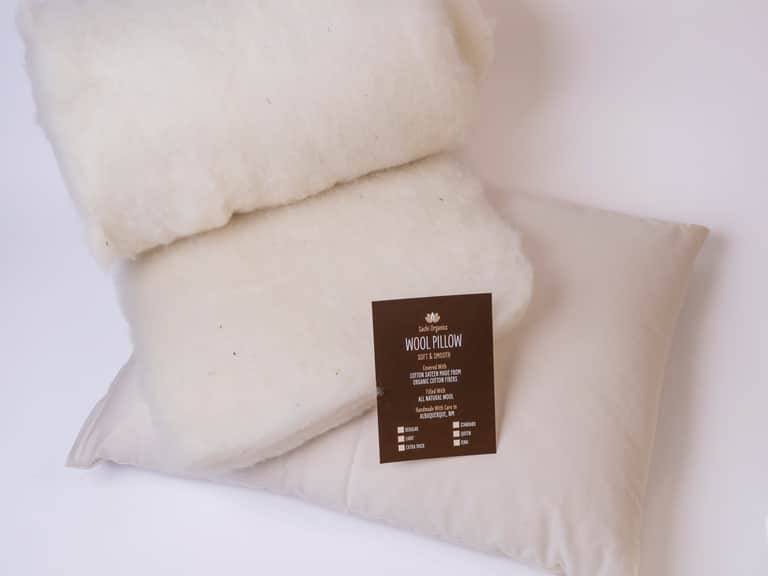
- Naturepedic Organic Wool Pillow — This pillow emphasizes wool’s temperature-regulating properties, using wool balls and a GOTS-certified organic cotton cover. Its design aims to resist clumping while maintaining loft and a hygienic sleep surface.
- Sleep and Beyond MyWool Pillow family — A range that highlights adjustable loft and a blend of wool with a supportive core. These products often combine wool with cotton and natural fabrics to promote year-round comfort and simple care.
- Savvy Rest Wool Pillow — Known for customizable loft by allowing the user to remove or add wool fill. This brand exemplifies the attention to long-term adjustability and organic fabric sourcing.
- Obasan Organic Latex and Wool Pillow — A hybrid approach that pairs latex’s buoyant support with wool’s breathable insulation, illustrating how layered materials can balance firmness with plushness.
- Suite Sleep Washable Wool Comforter — A comforter designed for washable wool fill with a cotton sateen cover, combining warmth, moisture management, and practical care.
Across these brands, the common thread is a commitment to natural materials, certifications (often GOTS or similar), and a focus on durable construction. The result is a family of products that appeals to eco-conscious sleepers who value transparency around fiber sourcing, environmental impact, and long-term performance.
4) Care, Maintenance, and Longevity
Proper care is essential to preserve wool’s loft, antimicrobial characteristics, and overall sleep comfort. Key practices include:
- Follow manufacturer guidance for washing. Many wool-filled pillows and comforters are spot-clean only, with cases and covers that are machine washable.
- Airing outdoors in sunlight (periodic sun-refresh) helps refresh loft and reduce any farm-scent that may fade with use.
- Use pillow protectors or covers to guard against staining and reduce the frequency of full "refresh" cleanings.
- Avoid high-heat drying; air-dry or tumble on low heat as recommended to prevent fiber damage.
For toppers and multi-layered designs (such as a quilted topper featuring wool fill), spot-cleaning and occasional sun-refresh are typical care steps. Toppers are generally not machine washable due to the volume of wool, so care routines emphasize surface cleanliness and loft maintenance.
5) Practical Guidance: How to Choose Wool Bedding
When selecting wool bedding, consider:
- Wool Type and Origin: Merino vs all-natural wool, and the wool’s provenance (US co-ops, New Zealand, Argentina, etc.) influence feel and ecological footprint.
- Certification and Ethics: Look for GOTS, Oeko-Tex, or similar certifications, and traceability in the supply chain to ensure chemical-free processing and humane animal welfare standards.
- Cover Fabric: A high-quality organic cotton sateen or similar fabric enhances breathability, cleansing efficacy, and overall feel.
- Care Requirements: Read care labels. Some wool products are machine washable in the cover but require spot cleaning the wool fill, while others are entirely hand-cleaned or sun-refresh only.
A practical starting point is pairing a wool pillow with a breathable cotton cover, and when seeking a wool comforter, selecting a design with a washable outer shell can simplify seasonal care while preserving loft in winter and a cooler feel in summer.
6) A Timeline of Key Figures and Influencers
Across history, three individuals—spanning different eras—have shaped the conversation around natural fibers, sustainable textiles, and informed consumer choices. Their legacies illuminate how wool’s role in bedding has evolved from traditional craft to modern science-backed comfort.
- Thomas Wardle (1831–1909): A pivotal figure in the British Arts and Crafts movement, Wardle advanced natural dyeing and textile innovation. His influence extended to the craft of natural fibers and the modern appreciation for textile integrity, a foundational idea that informs contemporary sustainable bedding design.
- Anni Albers (1899–1994): A central voice in modern textile art, Albers championed material honesty and functional beauty. Her work underscored the importance of fabric behavior—how fibers respond to light, wear, and use—concepts echoed in how we understand wool’s responsiveness in bedding products today.
- Martha M. Baird (b. 1968): A contemporary advocate for sustainable textiles and transparent supply chains, Baird’s work in consumer education and ethics has helped readers evaluate certification, origin, and environmental impact—key criteria for wool bedding selection in the modern market.
These figures symbolize the arc from artisanal fidelity to scientific scrutiny and ethical consumerism. Their legacies remind us that what we sleep on is both a craft and a ledger—of materials, methods, and the stewardship of landscapes and labor.
7) A Product Spotlight: Certified Organic Quilted Topper
To illustrate how wool’s properties translate into a tangible sleep surface, consider a real-world topper that marries organic cotton fabric with a wool fill. The Certified Organic Quilted Topper embodies the principle of adding natural, breathable warmth to the mattress with a simple, robust construction.
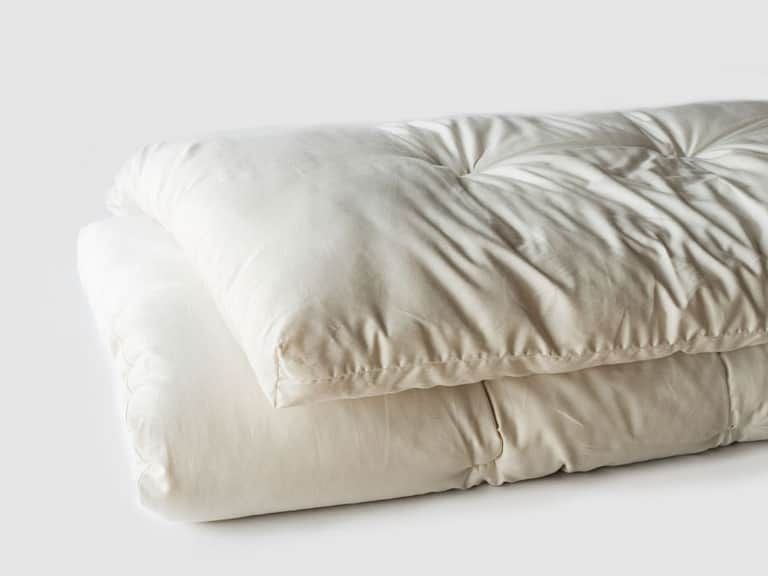
Certified Organic Quilted Topper
Brand: Holy Lamb Organics
Description: Encased in GOTS-certified organic cotton fabric and filled with GOTS-certified wool, this topper offers breathable, natural comfort. It provides two thickness options—Deep Sleep for gentler softness and Ultimate for plush loft—stabling the sleep surface without altering the underlying mattress.
- Material: 100% organic cotton fabric; wool filling (GOTS-certified)
- Construction: Quilted topper
- Care: Not machine washable; spot clean as needed and sun periodically to refresh loft
- Origin: Cotton from India; wool sourced from western US co-op or New Zealand
- Certifications: GOTS
This topper demonstrates how wool’s natural properties can be tuned with textile technology and sustainable sourcing. The topper’s two thickness options offer adaptable comfort without needing a full mattress overhaul, and the emphasis on organic materials aligns with the encyclopedia approach advocated for Wool in Bedding.
8) Resource Directory: Certifications and Further Reading
For readers seeking deeper credible sources, the following certification standards and reputable organizations are central to the sustainable textile conversation:
- GOTS (Global Organic Textile Standard) for organic fiber production and processing
- OKO-TEX 100 for textile safety and human-ecological assurance
- Responsible Down Standard (RDS) for down-based products
- Organic Cotton certifications and supply chain traceability programs
Cross-brand references and case studies can illuminate how wool’s performance translates to real-world comfort. The brands discussed—Naturepedic, Sleep and Beyond, Savvy Rest, Obasan, Suite Sleep, and Healthy Choice—offer a spectrum of wool-filled products that demonstrate the practical application of the science and ethics discussed in this guide.
9) Conclusion: Wool as a Sleeping Ethic
Wool’s enduring appeal in bedding comes from its intrinsic properties—temperature regulation, moisture management, and resilience—combined with ethical sourcing and transparent manufacturing. A well-chosen wool-filled pillow or comforter can offer reliable performance across seasons, while aligning with a broader commitment to sustainable living. The brands and products highlighted here illustrate how authentic materials, vetted supply chains, and thoughtful design can translate into sleep that feels not only better, but responsibly crafted.
As this guide suggests, the conversation around wool in bedding is not static. It grows with new textiles technologies, evolving certifications, and a public curiosity about the origins of everyday textiles. The path forward invites readers to examine fiber, form, and function—sifting through options with care, and selecting pieces that honor both comfort and the ecosystems they arise from.