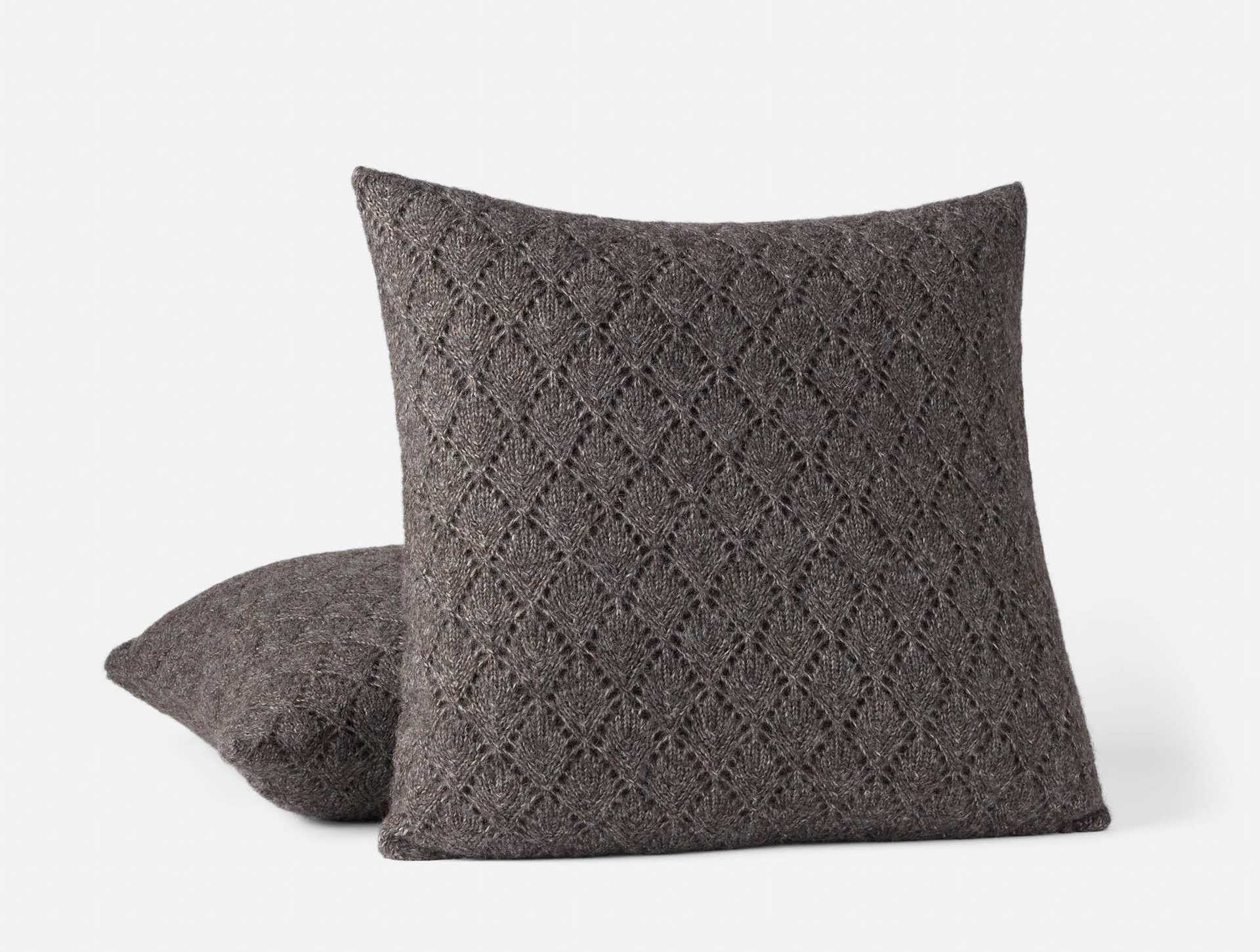
Pillow cover design and materials influence comfort, durability, and maintenance across bedroom and nursery settings. For wool pillows, a carefully chosen cover helps regulate temperature, wick moisture, and extend the life of the fill. Understanding fabric weight, weave, and fiber origin supports informed decisions about allergy considerations and long-term usability.
Natural wool fiber offers breathable insulation and moisture management, contributing to a balanced sleep environment. A high-quality pillow cover made from compatible materials can prevent pilling, reduce odor retention, and maintain loft. When selecting a cover, considerations include weave tightness, texture, and ease of cleaning to preserve performance over time.
The Highland Organic Wool Decorative Pillow Cover exemplifies how texture and sustainability intersect in functional design. Features such as organic wool content, durable closures, and precise stitching contribute to a decorative accent that also supports cushion structure and resilience. This type of cover often enhances warmth and softness without sacrificing airflow.
In terms of usability, pillow covers for wool-filled cushions should allow straightforward removal for washing while protecting the inner fill from debris and wear. Proper care guidelines typically involve gentle cleaning, air drying, and avoidance of harsh chemicals, ensuring the cover maintains color, shape, and fiber integrity across seasons.
Meta keywords such as bedding, pillows, memory foam pillows, latex, and nursery information align with broader sleeping environment topics while remaining applicable to wool pillow covers. This category emphasizes materials, care practices, and compatibility with various pillow fills, supporting educational insights for both adults and nursery settings.
 Bedding